
The Monday Morning You Almost Quit
It was 6:47 AM. Your alarm hadn’t even gone off yet.
You were already awake, staring at the ceiling, your mind cycling through the same loop for the hundredth time this month. The decisions. The projects. The deadlines. The people are counting on you. The money you need. The FIRE goals. The gap between who you are and who you think you should be.
Your coffee was cold on the nightstand.
Your phone had 47 unread messages.
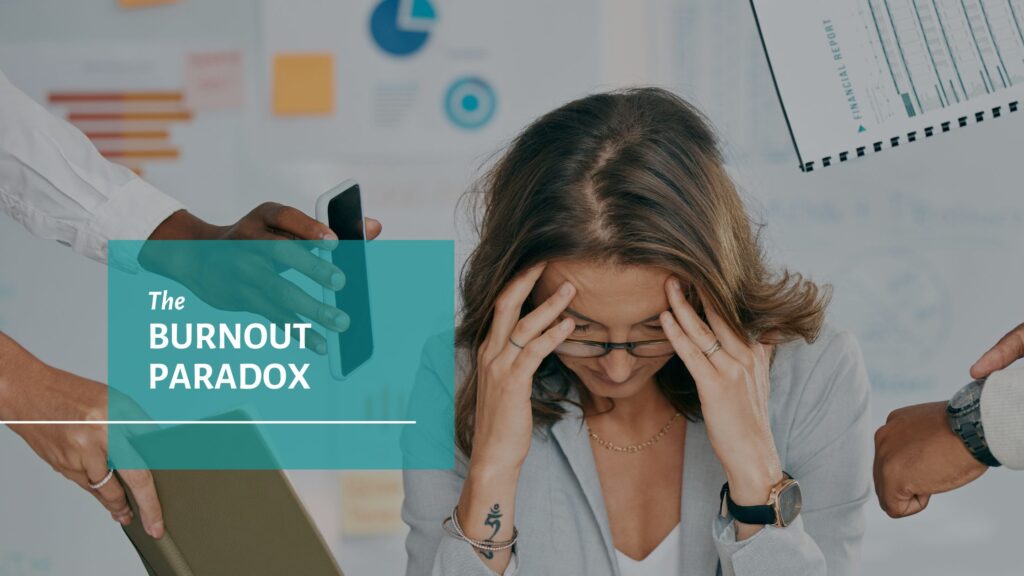
And for the first time, you weren’t angry about it. You were just… empty. Not even burned out. “Burned out” implies you’re still fighting. This was past that. This was a surrender.
You thought about quitting.
Not just the job. You’d thought about that before. But quitting everything. The hustle. The planning. The endless climbing. Just… stopping.
Then something different happened.
Instead of forcing yourself through another brutal week, you did something radical:
You took a 4-day strategic pause.
Not a vacation. Not an escape. A strategic pause: a completely intentional, designed reset of your brain, your decisions, and your direction.
And here’s what’s wild: when you came back, you didn’t return to normal life.
You returned to a different life. Not because your circumstances changed. But because you changed.
This is what a 4-day strategic pause can actually do.
And if you’re reading this, you probably need one too.
Part 1: What a 4-Day Strategic Pause Actually Is (Spoiler: It’s Not a Holiday)
Here’s where most people get it wrong.
A vacation is about escape. You leave your problems behind for a few days, distract yourself, then come back, and everything’s the same. Your problems are still there. Your burnout is still there. You’re just a little more tanned and temporarily less grumpy.
A 4-day strategic pause is the opposite.
A strategic pause is an intentional, designed break that activates the deeper parts of your brain—the parts that don’t get to speak when you’re grinding. It’s not passive. It’s active rest.
Instead of numbing your mind (vacation), a strategic pause wakes your mind up to different questions:
- “What do I actually want, separate from what I think I should want?”
- “Which decisions am I making from clarity, and which am I making from fear?”
- “If I could redesign the next 10 years, what would actually be different?”
- “What am I running toward, and what am I running away from?”
A strategic pause gives your brain the space and time to answer these questions honestly.
Here’s the thing: your brain is designed to do this work. But it can’t do it while you’re in “survival mode.” You’re constantly checking Slack, responding to emails, making decisions, and managing people. Your brain needs real rest to unlock deeper thinking.
A vacation doesn’t offer that kind of rest. A strategic pause does.
Part 2: Why Most People Never Pause Strategically
You know why most people never take a real pause?
Because our brains are addicted to momentum.
When you’re in motion—working, grinding, executing—your brain gets a constant hit of purpose. You’re doing things. You’re making progress. And you’re valuable because you’re busy.
The moment you stop, all that disappears. And what fills the void?
Anxiety. Doubt. Questions you’ve been avoiding.
“What if I’m not cut out for this?”
“What if I stop and lose everything?”
“What if I pause and realize I’ve been going in the wrong direction for years?”
So instead of pausing, you keep moving. You take a vacation and spend it checking emails. You take a long weekend and spend it half-present, half-working. Or you take a day off and use it to catch up on admin.
You’re terrified of what might surface if you actually stop.
And here’s the paradox: the exact thoughts you’re avoiding are the ones that would transform your life if you finally let yourself feel them.
A strategic pause forces you to feel them. Not in a painful way, but in a clarifying way.
Part 3: The Neuroscience: What Happens in Your Brain During 4-Day Strategic Pause
This is where it gets fascinating.
Your brain has two main modes of thinking:
Mode 1: Focused Attention (when you’re grinding)
- This is the mode you’re in at work, at your desk, executing.
- Your brain’s Executive Control Network (ECN) is firing. You’re solving problems, making decisions, and pushing forward.
- Your Default Mode Network (DMN) is suppressed.
Mode 2: Rest and Reflection (when you’re actually resting)
- This is the mode you rarely enter.
- Your focused attention network quiets down.
- Your Default Mode Network activates, and that’s where the magic happens.
The Default Mode Network is like the “thinking part of your thinking.” It’s responsible for:
- Self-reflection and understanding who you are
- Autobiographical memory (making sense of your life story)
- Mental simulation (imagining future scenarios)
- Emotional processing and emotional clarity
- Integration of complex information into coherent narratives
Here’s the critical discovery from neuroscience:
Your DMN doesn’t waste energy. It works at full capacity during deep rest, consolidating information, making connections, and generating insights.
When you take just 3-4 days of actual rest, where your brain isn’t constantly switched to “survival and execution” mode, your DMN has time to do its job.
Research on meditation retreats (3-7 days long) shows measurable changes in brain connectivity, with improvements in emotional regulation, stress reduction, and clarity that persist for months.
But here’s what’s crucial: it takes about 3-4 days for your nervous system to shift out of “fight or flight” mode into “rest and digest” mode. Day 1 and 2, you’re still wired. By Day 3-4, your brain actually starts to settle.
That’s why a weekend isn’t enough. That’s why a vacation where you’re checking email doesn’t work. Your brain never actually rests.
A 4-day strategic pause gives your brain the minimum time it needs to activate the deeper thinking that changes decisions.
Part 4: What Clarity Actually Emerges in Those 4 Days
Let me paint a picture of what tends to happen.
Day 1: You arrive. You’re still buzzing. Your mind is trying to problem-solve. You’re restless. You’re checking your phone. You feel guilty for being away. You’re doing the mental equivalent of still working.
Day 2: Something shifts. Your nervous system starts to relax. You notice you’re thinking about things you’ve been avoiding. Maybe sadness surfaces. Maybe clarity on a decision you’ve been dodging. You might feel more emotional than usual. That’s your brain processing what it’s been too busy to process before.
Day 3: This is the day. The fog lifts. Suddenly, you see your life more clearly. You understand which decisions are coming from fear versus authentic desire. You see patterns you never noticed before. And you can imagine the next 10 years with actual honesty. Not the version you think you should want, but the version you actually want.
Day 4: Integration. You’re not in crisis mode anymore. You’re just clear. Settled. You know what needs to change. You know what was worth the stress and what wasn’t. And you feel calm in a way you haven’t felt in years.
This clarity is different from intellectual clarity. It’s embodied clarity. You don’t just think things differently—you feel things differently. Your gut settles. Your nervous system feels safe.
And that’s the magic: when your nervous system feels safe, your best thinking emerges.
Part 5: Real Results (What Actually Changes After 4 Days)
Let me show you what research actually shows about 4-7 day retreats:
Mental Health & Stress:
- Participants experienced significant reductions in perceived stress, anxiety, and depression—with benefits sustained for months after
- Brain imaging showed measurable changes in functional connectivity related to emotional regulation
Clarity & Decision-Making:
- Participants reported significantly improved ability to make decisions aligned with their values
- Increased sense of meaning and purpose persisted for months
- Greater self-understanding and clarity about life direction
Physical Health:
- Measurable improvements in blood pressure, sleep quality, and inflammatory markers
- Sustained improvements in overall quality of life and health-related well-being
Work & Relationships:
- Better emotional regulation led to improved relationships
- More sustainable energy (not the “crash” that follows regular burnout)
But here’s the most important stat: the benefits don’t fade when you return to normal life. People report sustained changes 3-6 months later, suggesting that something actually shifted in how they approach their lives.
Part 6: How to Design Your Own 4-Day Strategic Pause
If you’re thinking, “I want this,” here’s how to actually make it happen.
Rule 1: Location Matters
- Go somewhere that feels removed from normal life (not your home, not work)
- Nature is powerful (retreat centers, cabins, mountain towns)
- Quiet is essential (not party retreats or tourist destinations)
- Solo or small group only—no obligations to entertain anyone
Rule 2: Inputs Must Be Limited
- No phone/email/Slack
- No news, social media, or entertainment
- No books (usually—sometimes one inspiring book is okay)
- Minimal conversation
The goal isn’t to numb your mind with distractions. It’s to quiet your mind so your deeper thinking can emerge.
Rule 3: Have Reflection Prompts (Not Rigid Agenda)
- “What would I do differently if I knew I couldn’t fail?”
- “Which parts of my life feel authentic, and which feel obligated?”
- “In 10 years, what will I regret not doing?”
- “What am I running from? What am I running toward?”
- “How am I choosing comfort over integrity?”
Spend time on these. Write about them. Don’t force answers.
Rule 4: Include Simple Rituals
- Morning walks (no destination, just presence)
- Journaling (free-form, no rules)
- Meditation or sitting in silence (even 10 minutes helps)
- Adequate sleep (this is when your brain consolidates everything)
- Nourishing food (not indulgent, just wholesome)
Rule 5: Build in Integration Time
- Day 3-4, start sketching what needs to change
- What’s one thing you’ll do differently?
- Who do you need to talk to?
- What decision do you finally need to make?
Write it down. Make it concrete.
Part 7: The Most Important Thing You’ll Do This Year
Here’s what most people don’t understand:
You think your problems are external. Your job is burning you out. Your money situation is tight. You see relationships getting strained. Your FIRE timeline is slipping.
So you keep doing more: more work, more side hustles, more optimization, and more grinding.
But the root problem is internal. You’re burned out. Your nervous system is dysregulated. You’re making decisions from fear, not clarity. You’re running from something instead of toward something.
A 4-day strategic pause directly addresses the root problem, not the symptom.
When you come back from those 4 days with genuine clarity, everything shifts. Not because your circumstances changed. But because you changed. You’ll:
- make better decisions about your work.
- have more energy for the people you love.
- actually sustain your FIRE goals because they’ll be rooted in real desire, not obligation.
- know which battles are worth fighting.
And here’s the thing: This clarity is the most valuable asset you could possibly invest in.
It’s worth more than another course, more than another app, and more than another strategy.
Because none of those work if the foundation is broken.
A strategic pause fixes the foundation.
Your Next Step: Book Your Free Clarity Call
If reading this felt like a punch to the gut, like you know, you need to pause, but you’re terrified of what you’ll find:
You don’t need another blog post.
You need to actually do this.
At Pause and Arrive, we specialize in helping burned-out urban professionals, FIRE-focused founders, and people stuck between ambition and exhaustion take a real strategic pause and design what comes next.
A Clarity Call isn’t about selling you a retreat. It’s about helping you:
- Understand exactly what’s driving your burnout
- Get clear on what would actually shift if you gave yourself permission to pause
- Design a 4-day strategic pause that’s tailored to your situation
- Create the container for real transformation
Spend 45 minutes getting honest about where you actually are and where you want to be. No pressure. No agenda. Just clarity.
Because the best time to pause wasn’t years ago.
The best time to pause is now. The 4-day strategic pause could literally change your next 10 years.