
I remember the exact moment I hit the wall. The moment didn’t occur during a heated argument with a client or a 2 AM deadline. It was Tuesday morning, 10:00 AM. I was staring at a perfectly good cup of coffee, and I felt… nothing. Just a hollow, ringing silence where my motivation used to be. I had the job, the apartment, and the “hustle,” but I was completely empty.
Does that sound familiar? You aren’t alone. We are living through a burnout epidemic, with recent stats showing that 82% of employees are at risk of burnout in 2025. But here is the good news: the solution isn’t resigning from your job to become a goat farmer (unless you want to). The secret lies in slow living for urban professionals.
It sounds like a paradox, right? Slowing down in a city that never sleeps? Stick with me. I will explain how you can accelerate your path to happiness and even achieve financial independence.
The “Cult of Busy” is Lying to You
We wear our exhaustion like a badge of honor. In our circles, saying “I’m so busy” is basically a secret handshake. But let’s be honest: being busy doesn’t mean being happy or productive.
When I first discovered slow living for urban professionals, I thought it meant doing yoga in a park for six hours a day. I was wrong. It’s about intentionality. It’s about choosing where your energy goes instead of letting the city suck it out of you. When you stop racing, you start noticing. And when you start noticing, you stop making mistakes that cost you time, money, and sanity.
1. Reclaim Your Morning (Without the 4 AM Alarm)
You don’t need to join the “5 AM Club” to be successful. In fact, forcing yourself awake when your body screams for rest is a one-way ticket to that 82% burnout statistic.
Start small. Instead of scrolling through emails the second your eyes open, give yourself 15 minutes. Drink water. Stretch. Look out the window. This practice of slow living for urban professionals sets a boundary before the world invades your brain. You are signaling to yourself that you are the priority, not your Slack notifications.
2. The FIRE Connection: Slow Down to Save More
Here is where it gets interesting for my finance nerds. Slow living is actually the best friend of the FIRE (Financial Independence, Retire Early) movement. Why? Because speed is expensive.
Think about it. When you’re rushing, you buy the $15 salad instead of packing lunch. You take the Uber instead of walking. You impulse-buy “rewards” because you had a terrible, stressful week. By embracing a slower pace, you naturally cut out the “convenience tax” of city life. Slow living for urban professionals isn’t just a mindset; it’s a wealth-building strategy.
3. Single-Tasking is the New Multitasking
I used to pride myself on having 40 tabs open while on a conference call. All that got me was a fried brain and mediocre work.
Science has shown repeatedly that multitasking drops your IQ and kills productivity. Try this instead: do one thing. Just one. If you are writing a report, close the email. If you are eating lunch, eat lunch—don’t eat anxiety. This is the core of slow living for urban professionals. You accomplish more by doing less, better.
4. Create “Sanctuary Zones” in Your Apartment
Your apartment shouldn’t just be a storage unit for your body between shifts. Even if you live in a shoebox studio, you need a sanctuary.
Designate a corner—a chair, a cushion, a window seat—that is strictly a No-Work Zone. No laptops allowed. This physical boundary helps your brain switch off. In a world where remote workers are 20% more likely to burn out due to blurred lines, protecting your personal space is an act of survival.
5. The Art of saying “No” (Politely)
FOMO (Fear Of Missing Out) is a slow killer. In the city, there is always an event, a mixer, or a dinner. But you cannot arrive at your best self if you are everywhere at once.
Adopting slow living for urban professionals means becoming the CEO of your own calendar. If it’s not a “Hell Yes,” it’s a “No.” When you start declining obligations that drain you, you make space for the things that actually fill you up. And guess what? Your friends will respect you more for it.
6. Reconnect with “Analog” Joy
When was the last time you did something with your hands that didn’t involve a keyboard?
Baking bread, repotting a plant, or even sketching on paper—these analog activities ground us. They pull us out of the digital ether and back into our bodies. For high-achieving professionals, this is essential. It reminds us that we are human beings, not human doings.
7. Pause and Arrive
This is the most important point. You have to learn to “pause and arrive.” Before you walk into a meeting, pause. Take a breath. Arrive in the room before you start talking. Before you walk through your front door at night, pause. Leave the boss in the hallway. Arrive home to your family or your pet.
This simple mantra can change everything. It transforms you from a passenger in your own life to the driver.
Your Action Plan
Burnout doesn’t have to be your story. By integrating these small shifts, you can build a life that feels as good as it looks on LinkedIn.
Ready to take the first step?
Don’t just read this and close the tab. I want you to try one of these tips tomorrow morning. Just one. Then, come back here and tell me how it felt in the comments. Let’s start a revolution of rest, right here in the city.
Did this resonate with you? Share this post with a colleague who looks like they need a coffee break, and subscribe to the Pause and Arrive newsletter for your weekly dose of sanity.
Welcome to the conversation we need to have.

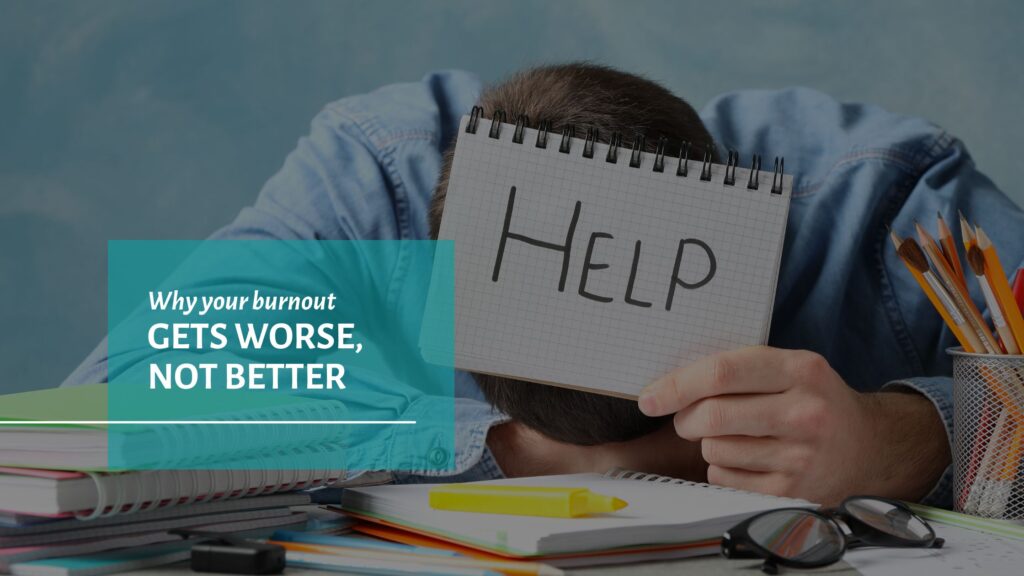
Pingback: Why Your Burnout Gets Worse Not Better?