
Dehradun, Uttarakhand
Amit Chilka Leadership Retreat Facilitator 22 years inside the system that produces the problem.
I was heading HR for a large IT company. Getting promoted. By every measure I'd been taught to care about, things were going well.
Then my mentor asked me a question I couldn't answer. Not "can't answer right now." Couldn't answer at all.
Yes, I said. Immediately.
He smiled. "Are you thrilled?"
I told him yes. He said: sleep over it.
I couldn't sleep that night. Because when I actually looked — not at what I'd achieved, but at what I was actually experiencing — I realised I'd been lying to myself for years. Not dramatically. Quietly. The way high performers lie to themselves. By staying busy enough that the question never gets enough oxygen to catch fire.
In 2022, I made the decision that confused everyone who knew me. I left. Deliberately. Not fired. Not broken down. Moved from Pune to the Himalayan foothills of Dehradun, slowed down on purpose, and spent a year building something I wish had existed when I needed it most.
Leadership
Coach
HR Professional
Program
second cohort
Not therapy.
Not a seminar.
Not a vacation.
When I left corporate life, people assumed I'd had a breakdown. I hadn't. I'd had a realisation and the two feel similar from the outside but they're very different on the inside.
I spent a year reading, reflecting, and talking to people who'd been where I was. What I found: the tools that exist for high performers in distress mostly assume that something is clinically wrong. Therapy. Medication. Structured recovery.
But most of the people I knew weren't broken. They were hollow. There's a difference. A hollow person doesn't need fixing. They need space to remember who they are underneath the achievement.
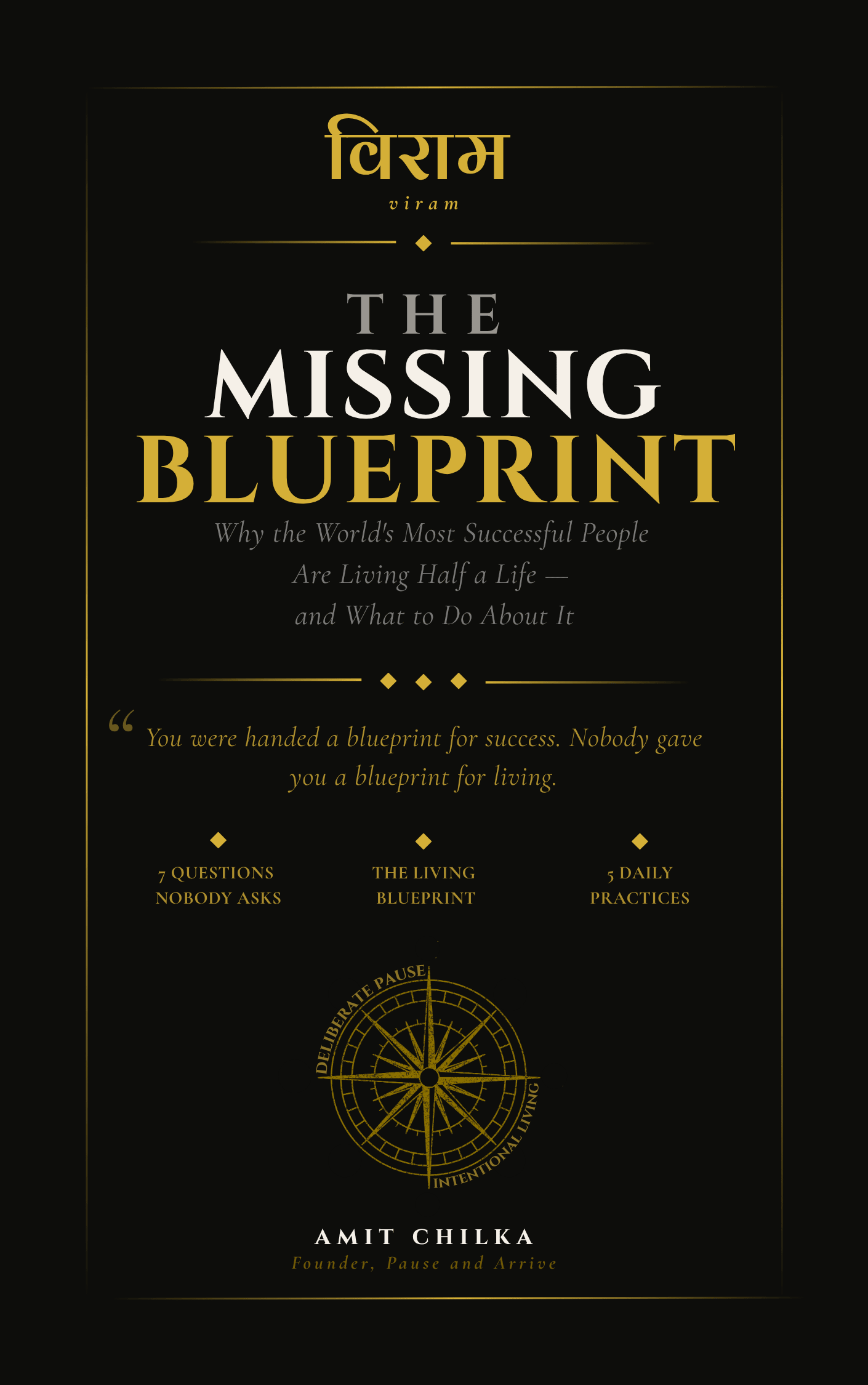
Viram is the thing I couldn't find when I was looking. Four days, a small group, no phones, no agenda and a structure that turns unstructured time into actual clarity. It works because it was built from the inside of the problem, not from a textbook.
Founders usually have a complicated relationship with HR. Fair enough, most HR functions deserve it. Twenty-two years of leading HR for large organisations gives you a particular kind of insight. You see the patterns not as a bystander but from inside the machine. You see what the system rewards. You see what it quietly destroys. And eventually, if you're paying attention, you see that the two are the same thing.
The people who get the most out of Viram are usually the ones who arrive most sceptical. They're high performers. They've tried therapy. They've done the meditation apps. They've read the books. They've taken the sabbaticals. And they're still running on empty, because none of those things address the system. They just make it slightly more comfortable to stay inside it.
Viram takes you out of the system for four days. That's the difference.
22 years building the expertise.
Then using it to build the exit.
Amit Chilka Leadership Retreat Facilitator
Now
Three things that
shapes everything here.
These aren't brand values written by a committee. They're the things Amit actually believes — built from two decades inside the system and four years building outside it.
The environment that produced the problem cannot solve it
You can't think your way out of a pattern while you're standing inside it. Every retreat, productivity hack, or therapy session you try while still inside the system is working against the current. You need to step outside — physically, structurally, completely — even if only for four days. That's not a luxury. It's the only thing that actually works.
Most high performers aren't burned out. They're hollow.
Burnout is exhaustion. Hollowness is different — it's what happens when you've been performing at a high level for so long that you've lost track of what you're actually performing for. The diagnosis matters because the treatment is different. Hollowness isn't fixed by rest. It's fixed by reconnection with what actually matters to you.
Insight without structure is just an expensive feeling
Most retreats give you a peak experience. Three weeks later you're exactly where you were. The insight faded because there was no structure to make it stick. Viram is built around the PAUSE framework specifically because good experiences without integration don't change anything. You leave with a plan, not just a feeling.
The hills were not incidental — they were the point.
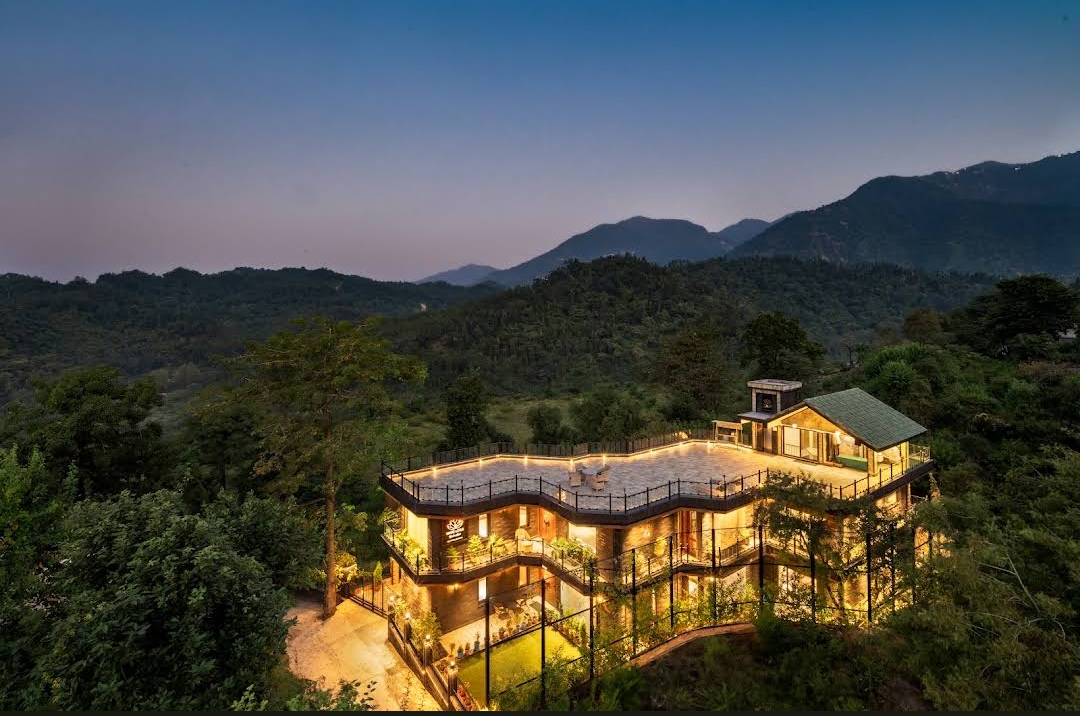
The property sits in the Doon Valley foothills, about 30 minutes from Dehradun city. It's quiet in a way that cities don't allow. The mornings are cold enough to wake something up in you. The evenings are dark enough to actually see stars.
The choice of location is not arbitrary. The nervous system responds to environment. After the first night away from screens, notifications, and the ambient noise of professional life, something begins to settle. By Day 2, most participants say they haven't felt this still in years.
This is not a coincidence. It is design.
Uttarakhand, India
If this sounds like
where you are right now —
An honest conversation is where it starts. Thirty minutes with Amit, not a pitch, not a presentation. Just an honest conversation about where you are and whether Viram is the right next step. Most people say the call alone was worth it.